City Football Group sells two clubs after £292m loss: is the multi-club model over?
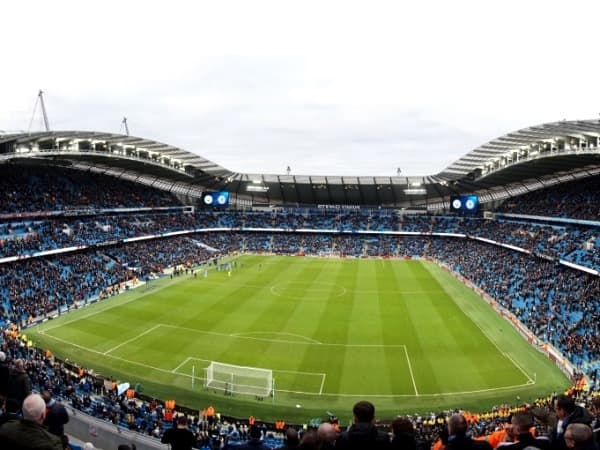
City Football Group, the holding company behind Manchester City, has sold two of its overseas clubs in the past six months: Mumbai City FC and Yokohama F. Marinos. The sales follow a £292 million loss in the latest financial year and raise questions about the future of the multi-club model that the Abu Dhabi owners pioneered.
From spending spree to careful restructuring
When Sheikh Mansour took over Manchester City in 2008, the approach was straightforward: spend more than the competition and poach the best players from rivals. Arsenal fans who watched a string of their star players swap the Emirates for the Etihad Stadium can testify to that. But as the years rolled on, City refined its strategy considerably. The ambition grew: to build the world's first truly multinational football organization.
City Football Group: a global network
In 2013, a year after the first Premier League title, City Football Group was established. New York City FC in the MLS was the first acquisition outside Manchester, followed by clubs on every continent except Africa. The most recent purchase was Brazilian side Bahia Esporte in 2023. At that moment, the expansion seemed boundless.
Mumbai and Yokohama as the first dominoes
The tone shifted quickly. In December 2025, City Football Group sold Mumbai City FC, the club that had won the Indian league title twice under Abu Dhabi ownership. Weeks later came the sale of a 20 per cent stake in Yokohama F. Marinos, the five-time Japanese champions. Yokohama remains connected as a partner club. Two sales in such a short timeframe: for some observers, a clear signal that the multi-club model has seen its best days.
Expert: 'Too many plates spinning at once'
Football finance expert professor Kieran Maguire explicitly frames the two sales against the financial reality. "It's been an interesting experiment for City Football Group, but it hasn't delivered returns," Maguire says, referring to the £292 million loss the holding company posted in the latest financial year. "They seem to be refocusing on sport itself now. They had too many plates spinning at once. Why spend 15 per cent of your time on Mumbai and Japan when all the global attention and revenue comes from Manchester City? The multi-club model had interesting advantages, but most investors are now retreating from it."
A broader trend in football
City Football Group is not alone in this. In recent years, the Premier League has seen several notable failures within the multi-club model, and its appeal has clearly waned. Investors initially inspired by City's success embraced the model en masse for its shared costs, recruitment synergies and risk distribution across multiple clubs. Whether City Football Group is considering further divestments remains unclear, but the shift in direction is unmistakable.
Related
Source: Via Yardbarker (GNews)
Comments
- Be the first to comment.